

 Sep 04, 2026 - Cameron Brierley
The first thing in your gym shouldn't be a rack or dumbbells, but purpose-built gym flooring. It's not the fun part, but it is the foundation that everything else is built upon. Get it right and you'll protect your equipment, your property and your joints for years to come.
Here's everything you need to think about before you buy.
Why do I need gym flooring?
When you're placing, moving and dropping hundreds of kilograms of weight, it's important to have a proper barrier between it and your building's groundwork. This is exactly what gym flooring does. It protects your floor from impact, and even cushions the drop of your free weights when they're dropped after a set.
It also soundproofs your gym and significantly muffles the sound of your weights dropping, which your family members will thank you for.
Since rubber flooring is a consistent thickness, it also provides a stable surface for the rest of your gym equipment to rest upon. Your grip will be improved, too, from working out on a proper training surface.
What is gym flooring?
Purpose-built gym flooring is made of heavy-duty rubber and is laid on top of a building's subfloor as another layer of protection between your equipment and home.
It's typically sold in square-metre cuts, with various options when it comes to thickness and finish.

What thickness do I need?
For most home builds, 20mm is ample. In uninsulated spaces and garages, we recommend upgrading to 30mm to experience less shrinking in the colder months, since temperatures on either end of the mercury affect how much the rubber contracts and expands.
Easy-clean vs black rubber
We sell three types of flooring: plain black rubber, black easy-clean and speckle easy-clean.
Black rubber is the traditional, no nonsense heavy-duty tiles that you probably think of when you picture gym flooring. They provide an exceptionally grippy surface, but are more prone to holding onto chalk and other stains that set in over time.
Over time, easy-clean alternatives have become increasingly popular. These have all the same benefits as the traditional black rubber tiles, but with a smooth EPDM surface which allows them to be, you guessed it, cleaned easily.
We've built on what easy-clean tiles do so well in our new speckle tiles. These bring a splash of colour to a space while maintaining the sleek black finish, and the speckle design works to hide little blemishes that can build up over time.
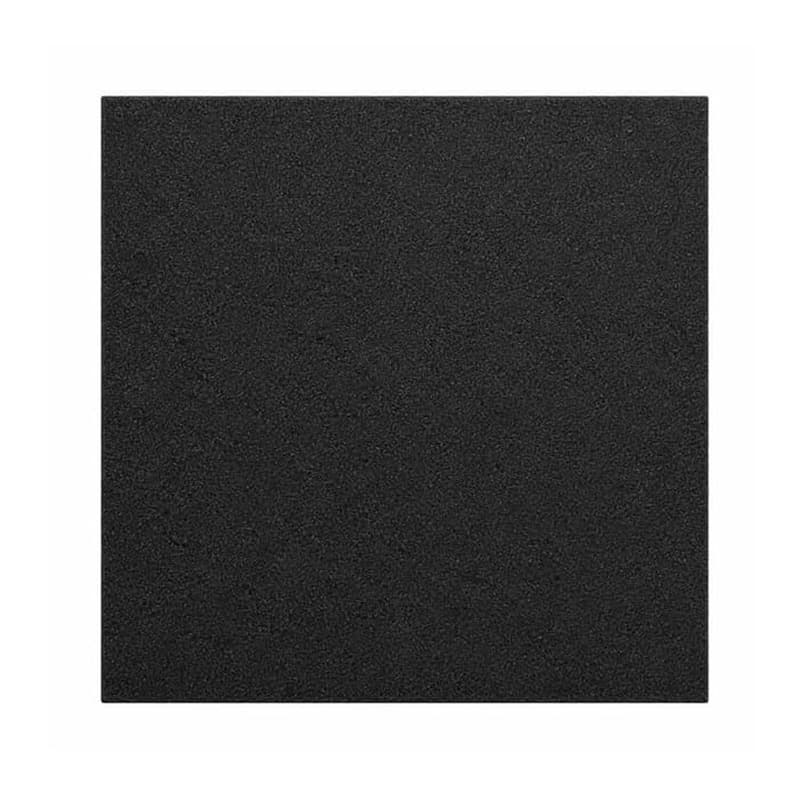
- ✓ Grippier underfoot
- ✓ More traditional look
- ✗ Holds onto chalk and wear more stubbornly
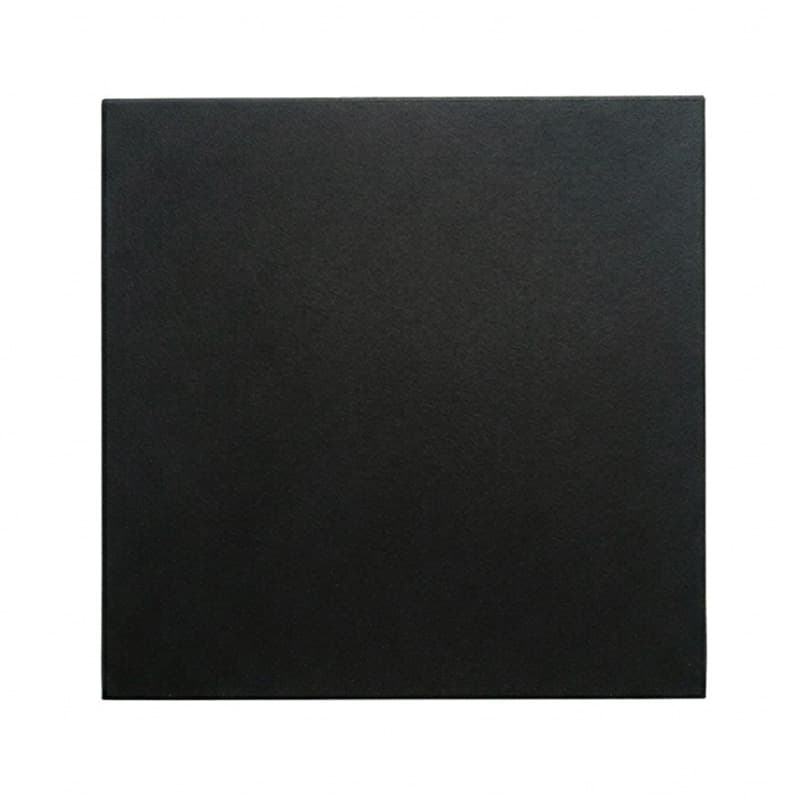
- ✓ Smoother finish
- ✓ Wipes down easily
- ✗ More expensive than black rubber
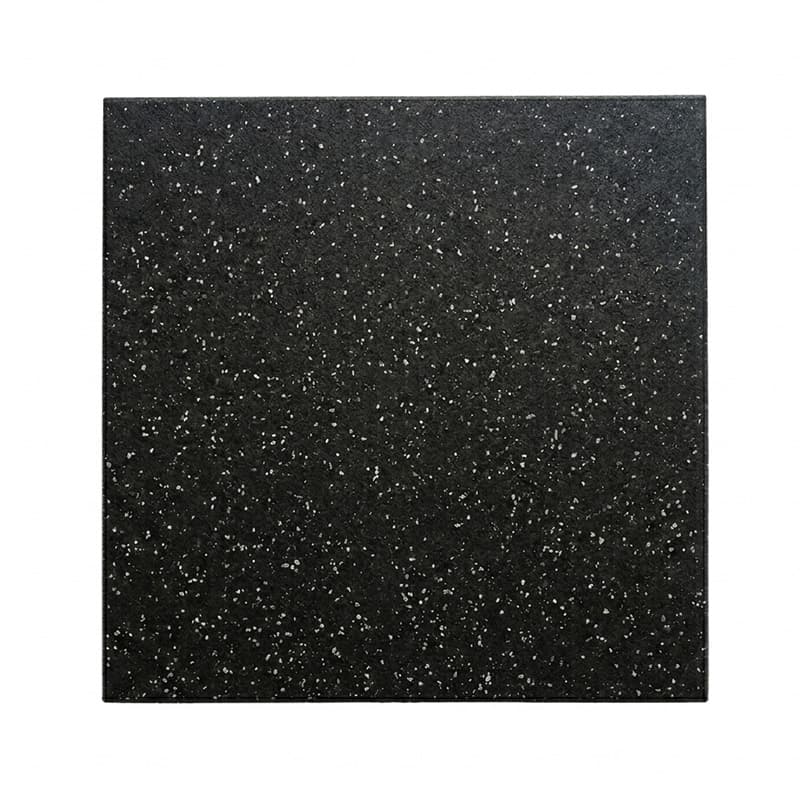
- ✓ Smoother finish, wipes down easily
- ✓ Speckle pattern hides dust and light marks
- ✗ Most expensive of the three
Most customers go for the easy-clean finish, but any of the three options will suit a modern training space well.
Do I need to tile the whole room?
Tiling the whole room is always preferable, and we have a flooring calculator to work out exactly how many tiles you need to fill your space, even accounting for off-cuts. Having the full room covered means you can use every part of the space without feeling boxed in by a cut off point.
In order to keep costs down, some customers choose to only lay the flooring under the rack itself. In these cases, six tiles usually does the job, though you might want to bump this up to nine in order to perform cable flys and barbell exercises outside the rack without stepping off the flooring platform beneath it.
Do I need to stick the tiles down?
No. Our 20mm floor tiles weigh 17kg each, so they're heavy enough to stay put without needing any kind of adhesive. To add even more stability to the build, we supply connector pieces with all of our floor tile orders that link them together, building one solid grid.
Looking after your flooring
Rubber gym flooring is durable by nature and pretty low maintenance.
The main care instruction is on where you lay it. You should avoid leaving it in direct sunlight or on underfloor heating. Both of these can damage the rubber over time.
Apart from that, all you need to do to clean your tiles is...
- 1 Hoover any grit or debris that's carried in from outside.
- 2 Mop them with warm water and a general floor cleaner.
That's it. Don't use any harsh chemicals and you'll keep your flooring in its best condition.
Finishing touches
Round out your space with flooring corners and ramp edges for a cohesive, well-planned out flooring space.

Leave a comment: